As Extreme Weather Intensifies, Undergrounding Utilities Takes Center Stage

By Emily Newton
Aging infrastructure and grid modernization have been topics of discussion for years, especially as climate change stressors make it harder for systems to operate efficiently. Exposed data center cables and aboveground turbines can execute their purposes well, but they are vulnerable to high winds, thunderstorms, wildfires and many other disasters. Contractors and industry experts are looking at undergrounding utilities as part of the next wave of resilient infrastructure buildout for these reasons.
The Surge in Underground Projects
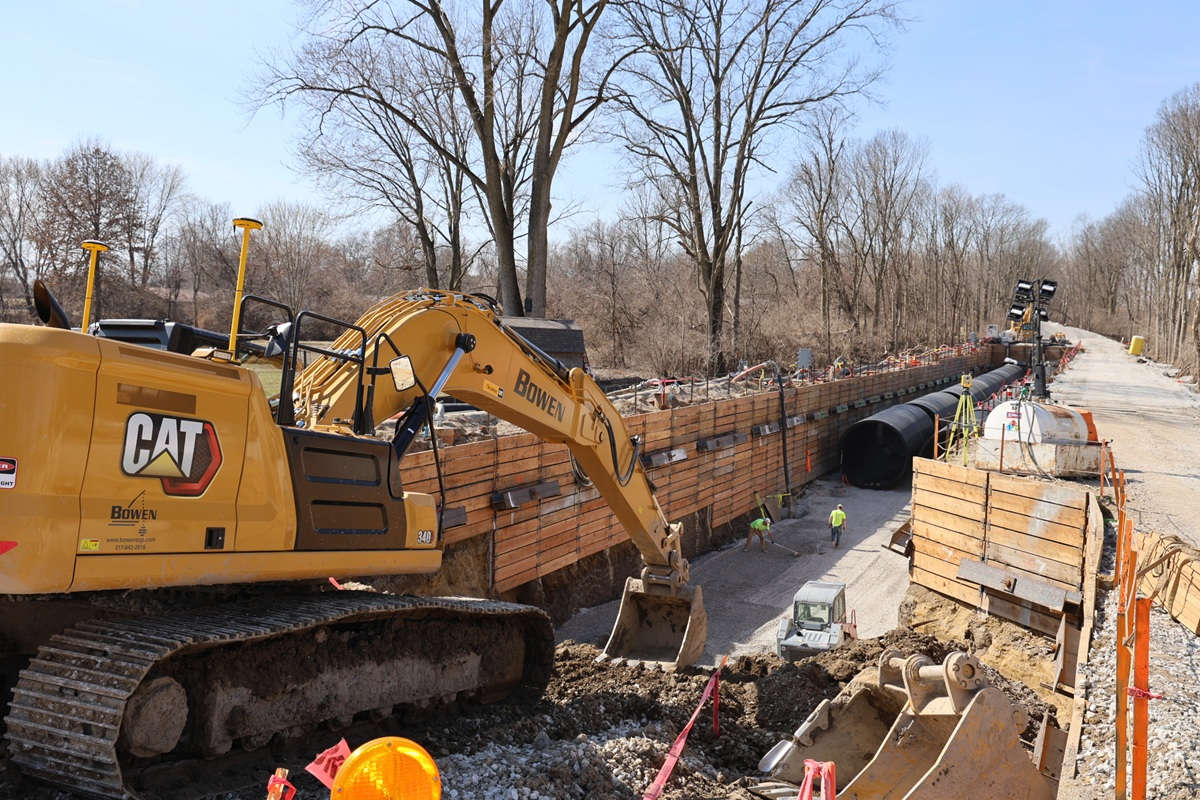
Urban planners, engineers, contractors and related experts are considering how and why critical infrastructure may start defaulting to subsurface installation. The climate crisis has catalyzed the frequency and severity of extreme weather events, and everything, from power lines to solar panels, is vulnerable. If cables, pipes and other infrastructure were underground, they would be protected from many influences, including falling trees, hail, flooding and countless other hazards.
The benefits of moving this infrastructure out of the public eye are multifold. The earth would serve as a safeguard for essential utilities, keeping the lights on and emergency services operational during disasters. Additionally, it would free up surface area for other development projects, such as expanding green spaces like parks or building additional housing for lower-income communities. It could improve residents’ quality of life in many ways by removing visual pollution from their backyards and expanding opportunities for a more equitable society.
While people reap the rewards these projects could bring, underground infrastructure will also benefit communities by improving the life cycle of these crucial assets. Being shielded from most environmental stressors in highly insulating soils could extend the lifespan of these sensitive fixtures. This makes them lower maintenance and more cost-effective in the long term. Aboveground infrastructure may have a service expectancy of only 50 years, while underground alternatives could last 100 to 150 years.
Challenges of Burying Infrastructure at Scale
Undergrounding utilities is only occasionally accessible. For example, many urban areas cannot use space underneath massive skyscrapers without causing damage or disrupting society. Alternatively, rural areas may not have the labor force or financial support needed to access specialized equipment to perform these jobs. While installing utilities underground is possible in all scenarios through collaboration, the most significant barrier is cost.
Traditional overhead construction does not require drilling or digging, especially through solid rock that would require high-torque equipment. Undergrounding power lines could cost 4.5 times as much as overhead lines, and offshore high-voltage direct-current technologies could cost 11 times as much. Despite the potential savings they could produce by withstanding disasters, the up-front expense is immense.
Expertise and equipment needs are also more complex. Underground projects face more logistical obstacles, such as permitting, the need to survey and image soil composition, and the need to construct equipment out of the way of existing underground fixtures, such as sewage pipelines. The planning and implementation times could be significantly longer due to these hurdles, especially if teams struggle to acquire specialized equipment to handle the specific job’s circumstances.
Finally, while maintenance could be reduced because of less exposure to stressors, repairs, retrofits and scaling could be far more complicated. Subsurface networks also face unique problems, including increased moisture or unexpected soil movement. It requires teams to uproot the earth again to access cables or build extensive tunnel networks to make them more accessible. The process may be disruptive or cause service outages, depending on its scope.
The Pivotal Role of Material Durability
Many of the shortcomings of underground infrastructure can be addressed by choosing appropriate materials. For example, excess underground moisture from humidity or nearby groundwater could increase corrosion rates. Subsurface wire ropes near oceanic coastlines can deteriorate due to the high salt content.
To benefit from long service life and climate resilience, manufacturers must enhance equipment and machinery with corrosion-resistant coatings or additives to prevent degradation. Even geomagnetic storms affect subsea cables by disrupting cathodic protection abilities. Repeated exposure to these threats can lead to compounding and hard-to-detect degradation.
It is also important to consider surface conditions and their impact on underground infrastructure. Many foundations are made of concrete. While it is sturdy and stable, rising atmospheric carbon dioxide levels could compromise its integrity by promoting carbonation.
Side effects of high carbonation include erosion of reinforcement infrastructure, especially those made from steel. This could jeopardize the safety of piles, pipes, tunnels and more. Contracts could use substitutes, such as fiber-reinforced polymer composites instead of steel rebar, to improve performance.
Addressing Material and Installation Shortcomings
Due to the monumental benefits undergrounding offers in forging a more resilient future, many efforts are underway to mitigate the most significant pain points and threats to success. Issues like carbonation are being researched, with one study examining how self-healing bacteria could continually repair affected foundations. This would address maintenance concerns while reducing the carbon emissions associated with concrete production.
Thermal management is another point of contention, as the heat generated from subsurface cables could exacerbate urban heat islands and warm many other communities. This increase in temperature could add to the cooling pressure on residents, as the costs are reflected in their monthly bills. Therefore, the soil’s thermal resistivity from subsurface heat islands could impact and erode any insulation materials. Adding materials, such as thermal grouts, could more evenly distribute heat, while adding sensor-based technologies could help experts monitor conditions in real time.
Finally, the supply chain can make scaling and repairing these systems easier in the long term by instituting procedural changes. Contractors and firms must mandate material passports for subsurface infrastructure, which detail their sources and manufacturing details. It could also indicate whether the product was designed for disassembly, making it more modular in scope.
Enduring Undergrounding Utilities for a Changing World
Undergrounding utilities is one of the most productive paths forward for environmental resilience. While it may be impractical in some areas, urban planners and other construction professionals must see underground space as a utility until the planet minimizes the intensity of these stressors through climate action. Corporations and citizens alike must advocate for more robust policies to fund and help these projects obtain momentum, as the positive impact could be astronomical during the next extreme weather event.
Emily Newton is a construction and industrial journalist. She is also the Editor-in-Chief for Revolutionized Magazine. Keep up with Emily by subscribing to Revolutionized’s Newsletter.