Fortify Aging Utility Lines Against Winter Storms with New Insulation
By Emily Newton
Winter storms are a regular test for underground utilities. With aging infrastructure and rising climate volatility on the horizon, utility networks can suffer from damage across numerous fronts. Strategic insulation use can help utility professionals protect underground utilities from thermal shock and material damage.
The Compounding Risk of Age and Cold on Underground Utilities
The U.S. is home to many centuries-old water and sewer systems. Philadelphia, for example, has one of the oldest — and still operating — sewer systems, having been built in the 19th and early 20th centuries.
Despite being buried below surface elements and snowfall, underground utility infrastructure is still vulnerable to winter’s impacts. The threat further intensifies when aging pipelines already compromised by corrosion or mechanical wear face the stresses imposed by lower temperatures.
Freezing Water
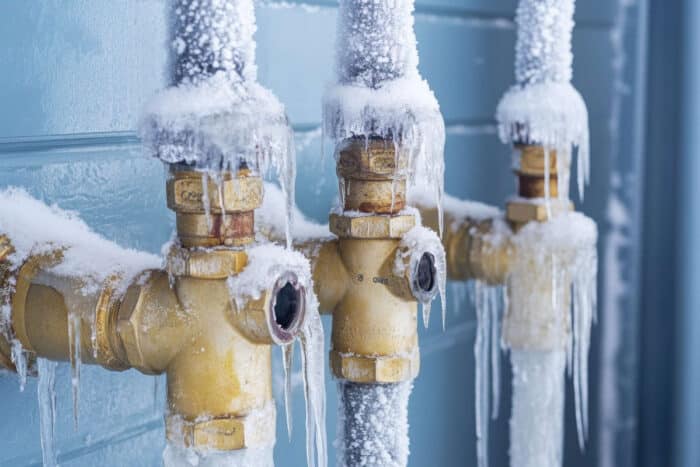
The most familiar risk is freeze-induced water expansion. Water trapped in cracks or joints can freeze and expand, generating excess pressure that the pipes might not be able to handle. This expansion can cause cracking and joint separation, which could eventually lead to line bursts, especially in older systems lacking proper thermal barriers. Older lines are especially vulnerable, with inconsistent wall thicknesses or brittle materials due to age.
Soil Movement
Aside from affecting the fluid within pipes, cold temperatures can also impact the surrounding soil, primarily through frost heave. Freezing water or moisture in the ground can cause the soil to shift vertically, impacting both pipeline supports and the pipes themselves, which can bend or become misaligned. Undergoing numerous freeze-thaw cycles through the years eventually creates structural fatigue. For water and sewer lines, this process can mean compromised seals or uneven loads.
Pressure Buildup
Water expands as it freezes, and when it does so in water and sewer lines, it could increase internal pressure. Urban areas like New York can house millions of residents, with each household contributing debris to everyday wastewater. These elements combined could generate enough pressure and blockage to damage underground utility infrastructure.
Modern Methods to Assess and Identify At-Risk Infrastructure
Before retrofitting or insulating, you need to evaluate the risk and condition of existing infrastructure. Modern diagnostic tools help identify vulnerabilities, allowing you to prioritize necessary repairs and monitor their performance.
Ground-Penetrating Radar
Ground-penetrating radar (GPR) helps reveal pipe alignments, depths, voids and soil conditions without needing to excavate. When preparing for winter, GPR helps detect sections where soil moisture or frost might do the most damage.
Acoustic Leak Detection
Acoustic technologies help identify leaks before they escalate. Fluids escaping through cracks or fissures can emit low-frequency sound waves, which these advanced technologies can detect and locate, even under cold soil conditions.
Robotic Camera Inspections
Video inspections from camera-equipped robots allow you to evaluate interior pipe conditions for signs of corrosion or cracks. These inspections can help identify where insulation investments might have the greatest impact, particularly in relation to winter-related failures.
Pipe Insulation as a Proactive Defense
Strategic insulation is one of the best ways to create a resilient utility network, as it addresses several temperature-related issues at once.
Preventing Freezing and Pipe Bursts
Insulation improves thermal resistance, as it slows the loss of heat from the fluid within the pipe to the surrounding environment. It makes it easier to maintain temperatures above the freezing point, even during winter or other extended cold periods. As a result, the water is less likely to freeze and expand, preventing excess pressure buildup and pipe bursts.
Improving Energy Efficiency
Heat is a form of energy, and insulated pipes reduce energy loss by preserving this heat for a longer period. This characteristic is especially important in systems that carry heated fluids or require temperature control, like hot water lines. Over time, this reduced heat loss accumulates into lower operating costs.
Controlling Condensation
Temperature differences between pipes and soil moisture can create condensation. Over time, this moisture can accelerate the corrosion of metal and other materials, impacting the utility line’s structural integrity. Proper insulation acts as a moisture barrier, which minimizes the occurrence of corrosion.
Extending the System’s Lifespan
Insulation helps mitigate or stabilize the stresses of seasonal temperature swings, which slows the progression of material deterioration. This strategy directly extends the lifespan of utility lines, which delays the need for replacement spending and labor.
Common Insulation Types for Underground Utilities
Selecting the right insulation depends on one’s performance requirements and site conditions. These materials will also need jacketing systems to secure them and help minimize corrosion. Here are some insulation types commonly deployed in underground utilities.
Polyethylene Foam
Polyethylene foam offers excellent moisture resistance and flexibility, making it easy to install around irregular pipe geometries. Its closed-cell variants are especially valuable for underground utilities, as they can limit moisture penetration effectively.
Flexible Elastomeric Foam
Elastomeric insulations see a lot of use for underground lines requiring condensation control and flexibility. It has a closed-cell structure with low permeability, preventing moisture from reaching and damaging the pipes.
Phenolic Foam
Phenolic foam has significantly low thermal conductivity, which helps prevent pipes from freezing. It also performs well in high-heat conditions, making it suitable for year-round protection.
Fiberglass
Fiberglass is a cost-effective yet highly effective material in terms of thermal insulation. It consists of fine glass fibers that trap air pockets, preventing them from escaping and changing the temperature. However, it does require a separate vapor barrier to prevent moisture from coming in.
Best Practices for Installation and Maintenance
The performance of an insulation material depends a lot on how it is integrated and treated throughout the broader infrastructure. These tips can help installers or managers ensure that the insulation material provides adequate protection for these utility lines.
Adhering to Regional Frost Line Standards
Consult local frost depth maps and engineering guidelines to determine how deeply you should bury utilities and where insulation materials are most essential. In some areas, frost depths can exceed several feet, requiring deeper burial or thicker thermal barriers.
Mastering Backfill and Compaction Techniques
Proper backfill ensures that there are no voids or channels where cold air or fluids could reach the pipes, minimizing condensation and damage. Teams should use compatible backfill materials and phase the compaction process to minimize these pathways.
Implementing a Proactive Maintenance Schedule
Getting ready for winter is an annual effort. Routine checks help prevent unplanned outages and ensure insulation continues to prevent damage to underground infrastructure throughout its lifetime.
Strengthening Underground Utilities
Insulation enhances service reliability and extends the system’s longevity, particularly when combined with proactive maintenance. Investing in insulation materials protects these essential networks, protecting communities from even the most extreme winter threats.
Emily Newton is a construction and industrial journalist. She is also the Editor-in-Chief for Revolutionized Magazine. Keep up with Emily by subscribing to Revolutionized’s Newsletter.