Water Infrastructure Projects Show Rising Need for Surety Bonds
The United States has a lot of work to do if it wants to maintain its national network of drinking water infrastructure. That’s according to a 2023 report from the Environmental Protection Agency (EPA), which estimates the country needs a 20-year capital improvement of $625 billion. That money would be allocated towards the repair of existing infrastructure, as well as the construction of new infrastructure projects at the federal, state and local levels. Agents specializing in surety bonds should be aware of the opportunity presented by the prospects of these large-scale public works projects.
The American Society of Civil Engineers (ASCE) says 2.2 million miles of piping across the United States that distributes the nation’s drinking water is aging and prone to breaks, with a water main break every two minutes on average. Some of the nation’s oldest pipes were laid in the 19th century, and pipes laid after World War II have an average lifespan of 75 to 100 years, so many are reaching the end of their design life. Other challenges noted by ASCE include emerging contaminants and the increasingly severe effects of extreme weather.
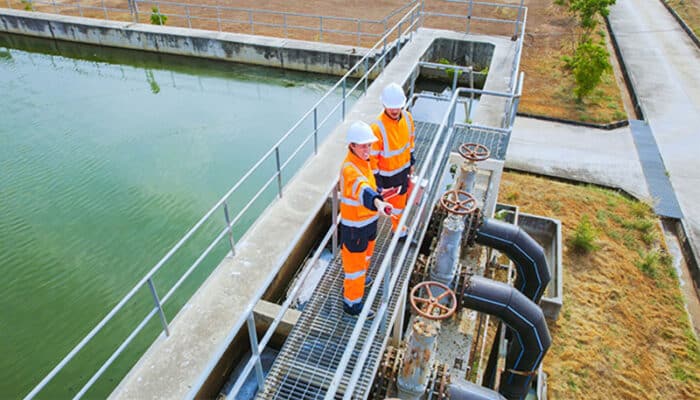
Of the $625 billion recommended by the EPA in 2023, $420.8 billion is needed for water distribution and transmission. New construction would allow for technological upgrades to water utilities, “improving their resilience by developing and updating risk assessments and emergency response plans, as well as deploying innovative water technologies like sensors and smart water quality monitoring,” according to the ASCE report. Other areas in need of improvement are water treatment, storage and source utilities.
The EPA estimates that California needs $83.52 billion to care for its water systems, more than any other state, followed by Texas at $61.25 billion. Other areas of the country likely to see significant investment are the Midwest, the Great Lakes region, the Northeast, and Southeast, which makes the demand for surety bonding a nationwide need.
Federal funding for drinking water and other infrastructure projects is uncertain at this time. On Jan. 20, 2025, President Trump signed Executive Order 14154, titled Unleashing American Energy, which froze all funding allocated to infrastructure projects under the Infrastructure Investment and Jobs Act, enacted by the Biden Administration. Since that time, federal funds have been released on a project-by-project basis. With all this uncertainty, contract surety bonds are more important than ever.
Bonds needed for subcontractors, too
Depending on the project and the authority overseeing the improvements, contract surety bonds could be required for all general and subcontractors performing work. Additionally, any contract for the construction, alteration or repair of any public building or public work of the federal government valued at more than $150,000 is required by federal law to include a performance bond and a payment bond.
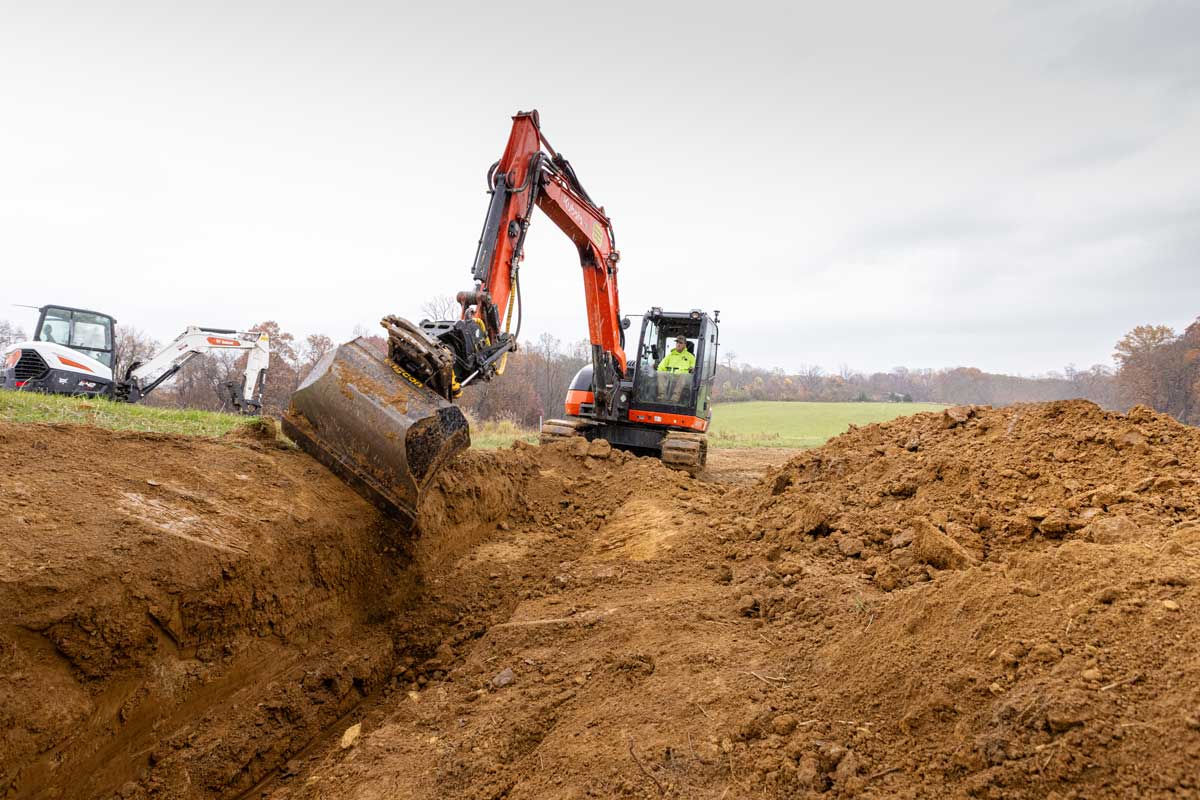
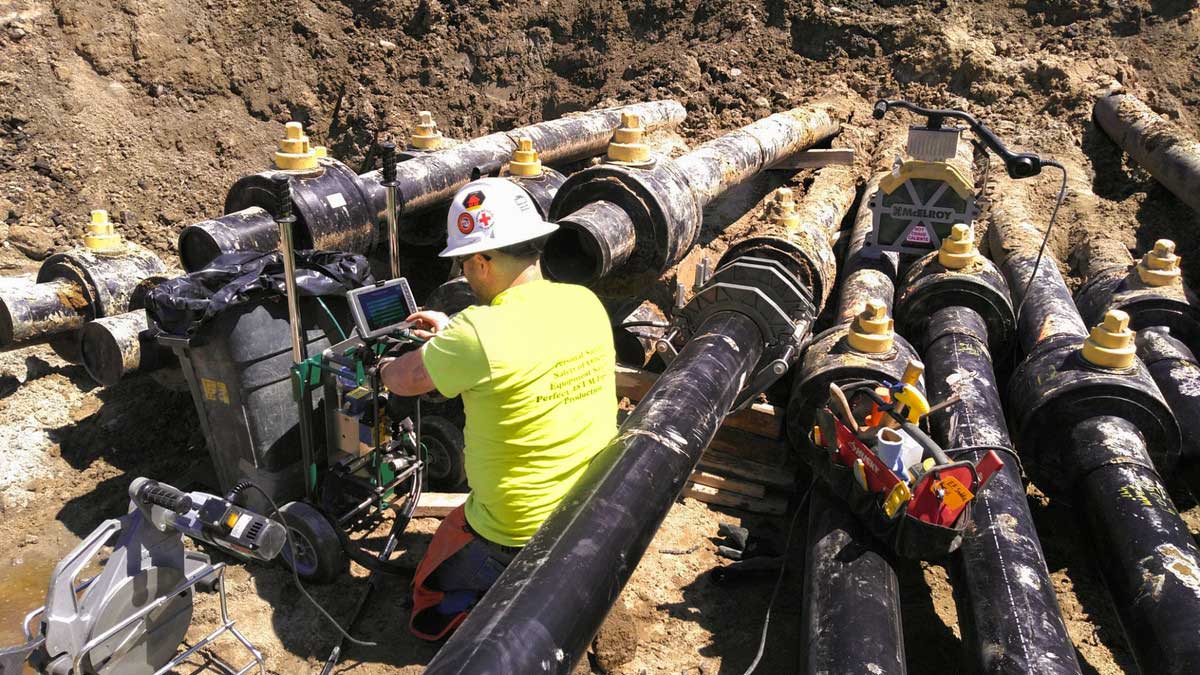
Water infrastructure projects employ a variety of specializations in the trades, including excavation, civil, modular and prefab, and utility contractors of all sizes. Depending on the terms of the contract, these contractors also may need bonds.
Show your clients that you are their trusted adviser by having a conversation regarding water infrastructure projects sooner, rather than later, so that when RFPs are posted you have a head start on the competition.
For 100 years, Old Republic Surety Company has provided construction contractors with contract surety bonds, bid bonds, performance and payment bonds, and maintenance bonds. Old Republic Surety Company works with large, mid-level and small construction companies across all specialties.