Setting Up Sewer Systems for Success in the New Year
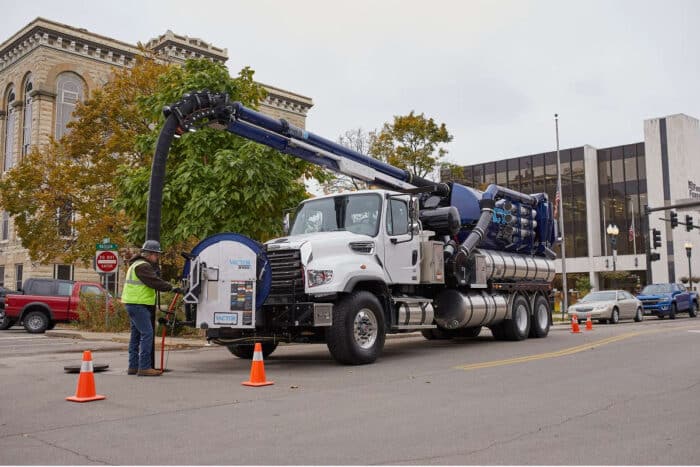
As municipalities prepare for the challenges of a new year, one of the most critical yet overlooked priorities lies underground. The sewer systems keep communities healthy, safe and functioning smoothly. Setting up sewer systems for success in the new year starts with proactive planning and a commitment to regular maintenance.
By combining the right equipment with data-driven insights and seasonal strategies, municipalities can prevent costly failures before they happen, protect residents and extend the life of their infrastructure.
To make sure everything is running smoothly, here are some tips from the Vactor team to take into the new year.
Eliminate problems before they occur
Waiting for backups to occur keeps crews in a game of catch-up. Mitigating problems ahead of time saves time and money and extends the life of both infrastructure and equipment.
Many departments are now using GIS-based asset management software to recognize pain-points before they become emergencies. Additionally, reviewing past work orders, flooding complaints and maintenance logs helps to prioritize known trouble spots, which may need more attention. Keeping detailed records of completed maintenance work helps guide long-term maintenance and improves planning.
Creating a regular maintenance schedule is a great way to prevent emergencies from occurring. System-wide inspections are essential and can be easily performed alongside season changes. Regular line flushing and visual inspections are a few things that can be done year-round to reduce the likelihood of back-ups.
Follow the seasons
Each season poses its own challenges to sewer systems. Summer debris, winter freezes, spring showers and autumnal leaf shed all leave work to be done to keep systems functioning their best. Catch basins are often clogged with trash, organic material and sediment buildup that can reduce flow capacity in pipes. When dealing with seasonal maintenance, don’t forget to look for root intrusion and structural damage that can easily go unnoticed during busy seasonal work.
As the cold winter months bring in the new year, focus on eliminating debris and sediment buildup, and inspect pipes before freezing conditions make work more difficult. After months of heavy rain and falling leaves, storm drains are often over capacity. Buildup like this restricts water movement and contributes to problems.
Pipe inspection is also essential in exposing underlying structural issues such as cracked pipes, dislodged joints or misaligned inlets, which can be worsened by water freezing inside them. Inspection cameras and dye testing can expose even the smallest concerns.
Don’t just work in a municipality, work with it
High-quality sewer maintenance requires all hands on deck. Crews may be called to fix problems in a municipalities’ sewer system, but preventing issues can be as simple as educating residents and businesses on proper disposal methods. Connect with them by email and social media to provide reminders about disposal of oils and personal hygiene products, as well as property waste like leaves and tree debris.
Public safety starts with protecting infrastructure
While sanitary sewers are important in waste disposal, storm sewer systems are essential in protecting above ground urban and suburban infrastructure. They channel rainwater and runoff away from roads and buildings to prevent flooding, minimize erosion and eliminate dangerous conditions.
The water in storm drains is typically discharged into nearby rivers, lakes or other bodies of water without treatment. Because of this, keeping these systems clean and functional isn’t just about protecting infrastructure, property and public safety, but also about protecting the environment.
Choosing the right tools for the job
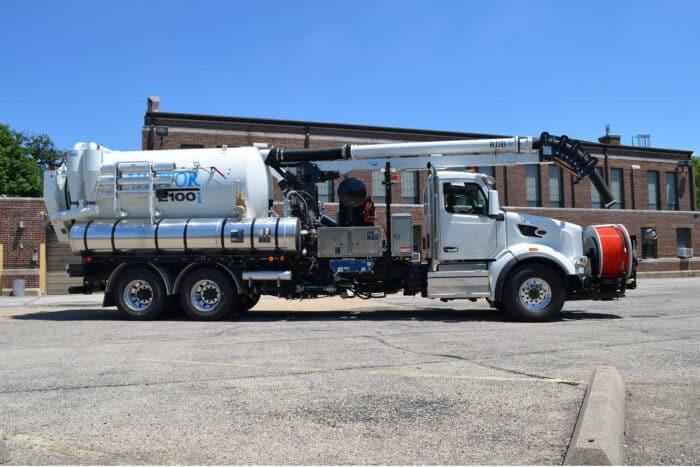
The right equipment can make or break the effectiveness of a job, especially when removing heavy debris. There are a few tools that make great additions to a crew’s New Year wish list. High-powered combination sewer cleaners are among the most important tools in this effort. The Vactor 2100i features an advanced control system for greater precision and operator comfort while its multi-flow system delivers better fuel economy without sacrificing performance.
The Vactor Ramjet truck series, for example, offers the kind of power and versatility needed for thorough cleaning of stormwater inlets, pipes, gutters and catch basins. Built with a high-pressure water jet system, the Ramjet truck can help teams break up stubborn sediment, flush out clogged lines and even cut through root obstructions. Its ergonomic design and advanced control systems also improve operator safety and efficiency — an important consideration when working long hours in challenging environments.
Look to experts for maintenance best practices
Sewer maintenance isn’t just a seasonal task — it’s an ongoing responsibility. But for municipalities, the end of the year offers an opportunity to catch up, clean out and prepare for what’s next. With the right equipment and a clear plan in place, municipalities can ensure that their stormwater and sewer systems are ready to handle whatever nature throws their way next. For more information, visit Vactor.com. Tags: Vactor