Safe Digging Tips for Summer Construction and Utility Work
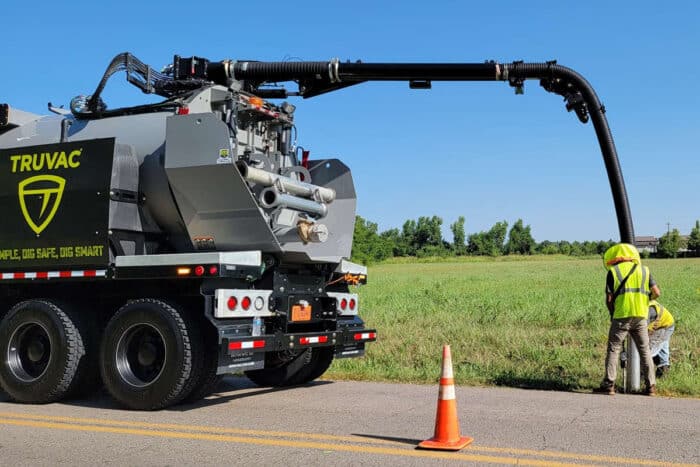
Summer is a critical time for those in construction and utility work. This busy season depends on crews’ productivity as they work around storms and high temperatures. But the season’s unpredictable weather isn’t the only thing impacting safety and productivity. The possibility of striking a buried utility means potentially hurting crew members, delaying the project, damaging critical infrastructure and cutting off critical access to that utility as it undergoes repairs.
That’s why the Gas Technology Institute (GTI) identified vacuum excavation as a best practice. Since vacuum excavation is a best practice for safe digging, the TRUVAC team shared a few more safe digging tips for summer construction and utility work and also included a couple tips from GTI:
1. Make a plan. To ensure safe digging practices, plan for differing hypothetical situations including water content and debris. Being prepared to adapt to various ground conditions not only keeps utility work and digging safe, but it shortens the amount of time needed to pivot.
2. CALL 811. Safety is important, and by calling 811, you can understand the location of underground utilities, reduce the risk of dangerous situations and prevent costly repairs and fines. Calling the number (or submitting a request online) is completely free, and utility companies will arrive to mark the site of underground lines.
3. Follow safety protocols. With there being less need for manual labor, worker safety is promoted. However, making sure operators utilize proper PPE is still necessary regardless of site conditions and temperature. All utility work and digs need to follow proper safety protocols to keep digging safe.
4. Conduct proper maintenance. Over time and through the seasons, debris accumulates on hydrovac tanks and is hard to remove, with dry, sandy soil creating the most build-up. To prevent extreme build-up in the summer months, store vehicles in dry environments and prioritize routine maintenance of vehicles.
5. Use the right equipment. DigRight is a patented technology from TRUVAC that increases safety, helps adhere to industry recognized best practices, and allows crews to focus on the job — all at the push of a button. DigRight technology — coupled with multi-flow water pump features — allows you to select a maximum water pressure limit to prevent the pressure from exceeding site or industry requirements. DigRight is available on the TRUVAC Paradigm, FLXX and HXX models. DigRight helps decrease wear and tear on check, unloader and relief valves by avoiding bypassing water and saves fuel and money by eliminating wasted energy.
6. Beware of pressure and temperature. GTI noted in the “Vacuum Excavation Best Practice & Guideline” that if heated water is used during excavation, the temperature and pressure of the water shouldn’t exceed 115ºF and 2,500 psi respectively. Additionally, the pressurized air or water wands shall never remain motionless during excavation. Aiming directly at the underground facilities shall be avoided at all times.
7. Keep the right distance. GTI also recommended keeping a distance of at least 8 in. between the end of the nozzle and the underground facility or subsoil. The nozzle shouldn’t ever be inserted into the subsoil while excavating within the “tolerance zone.”
As summer digging projects start to increase, calling 811 and prioritizing safe excavation practices helps protect crews and infrastructure. With precision tools like DigRight technology from TRUVAC that help support industry best practices, contractors are able to dig safely and more efficiently.
This article was submitted by TRUVAC. For more information, visit TRUVAC.com/DigRight. Tags: Truvac