Beyond the Machine: How Connected Construction Is Changing Underground Utility Work
By Chapman Hancock
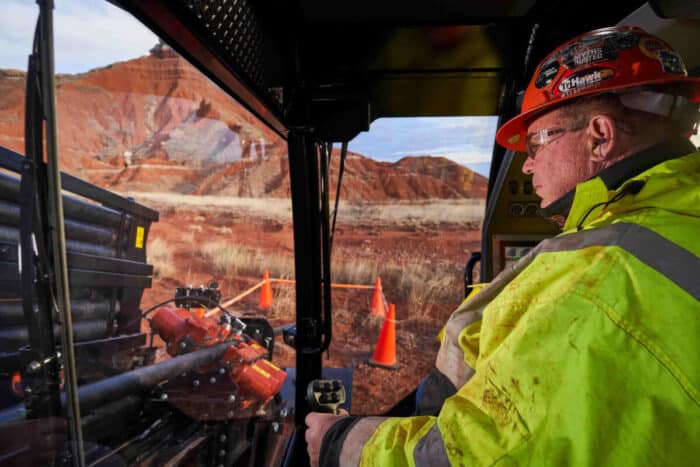
An underground utility jobsite rarely operates around a single machine. A horizontal directional drill may be at the center of the bore, but locating equipment, fluid-management systems, mapping platforms and the crews using them all play a role in moving the project from planning through completion.
The technologies supporting that work are increasingly connected, too.
That is what connected construction looks like on jobsites today. Telematics provides insight into machine location, utilization, performance and health, while other technologies capture details about the bore, underground infrastructure and project progress. When those insights are brought together and shared across the workflow, contractors gain a clearer picture of what is happening on the jobsite and across multiple projects.
For contractors managing tighter schedules, smaller crews and increasingly complex underground environments, that visibility can directly influence how work gets done. It can help determine where equipment is needed, identify maintenance needs before they result in downtime, simplify project documentation and give fleet managers a better understanding of how crews and equipment are performing without being physically present on every jobsite.
Tracking a Bigger Picture
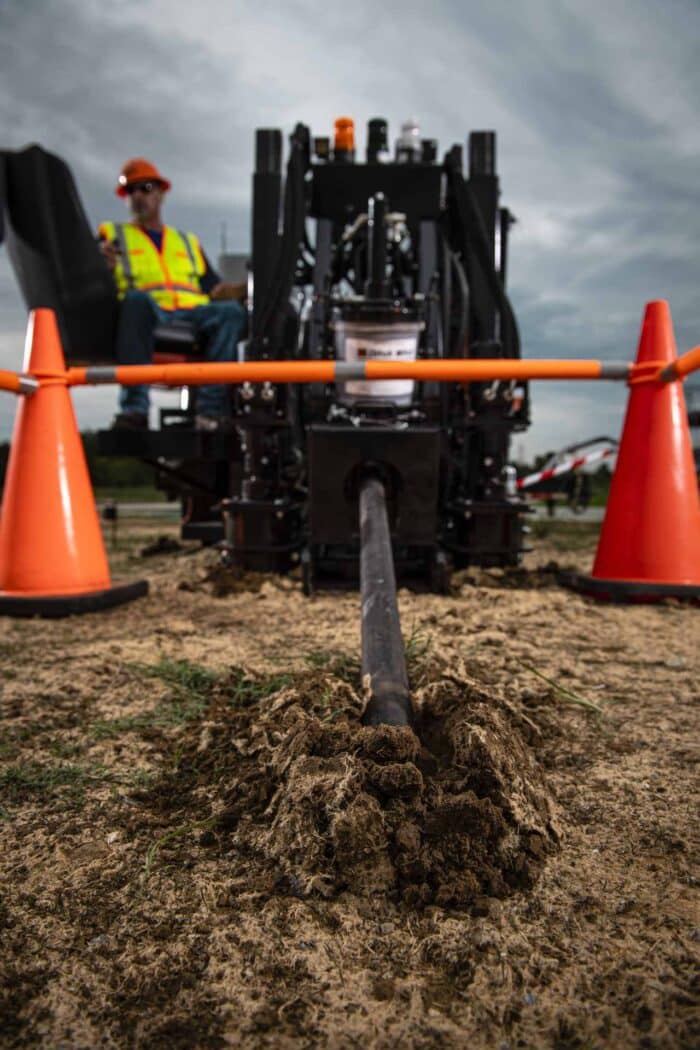
Horizontal directional drilling provides a precise example of how connected construction is already taking shape in underground utility work.
Telematics has been available on HDD equipment for years, but its role has evolved significantly. Early systems largely answered one important question: Is my machine where it’s supposed to be?
Knowing where equipment is remains important because theft continues to be a costly industry challenge. GPS tracking and geofencing allow you to locate equipment and be alerted if it moves unexpectedly.
Contractors now need to know far more than where a machine is located. Labor shortages, tighter schedules, increasing reporting requirements and more congested underground environments have made utility projects more difficult to coordinate. At the same time, the drill is only one part of the work happening across an HDD jobsite.
Drills can work alongside locating equipment, fluid-management systems, digital bore records and mapping platforms to give contractors a more complete understanding of how individual machines are performing and how work is progressing across the job.
That broader view becomes especially valuable when contractors are managing multiple projects at once. Fleet managers no longer need to be physically present on every jobsite to understand how equipment is being used. Operating hours, utilization rates and performance data can provide insight into job progress, while machine-health monitoring can help teams identify potential maintenance issues before they result in downtime.
Historical performance data can also inform future bids and help contractors determine where equipment can be deployed most effectively. The result? Better planning, greater visibility into every jobsite and more confidence when making decisions across projects.
Connecting the Dots
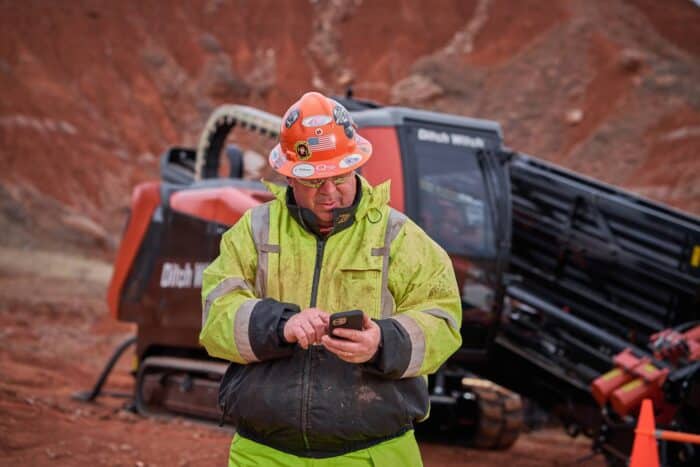
Bringing information together is what turns individual connected technologies into a connected jobsite. Platforms such as Ditch Witch’s Orange Intel demonstrate how that is taking shape across underground construction. Instead of focusing solely on individual machines, the platform connects data across the workflow, including horizontal directional drills, locating equipment, fluid-management systems and mapping platforms, giving contractors a more unified view of jobsite and fleet activity.
On an HDD jobsite, that connectivity can create greater continuity from planning and production through documentation and reporting. Linking these technologies helps contractors see how the different pieces of the workflow fit together and better understand how work is progressing.
The value comes from how contractors put those insights to work. Connected data can support better decisions in several key areas:
Making Every Hour Count
With smaller crews managing demanding workloads, contractors need to get the most from both their people and their equipment. Connected equipment provides an objective view of how machines are being used without requiring managers to visit every jobsite or rely solely on field observations.
Operating hours, idle time and utilization reports can reveal where productivity is being lost. They can also show whether equipment is being deployed effectively. For example, if one machine is consistently underutilized while another project is stretched thin on equipment, that insight can help a fleet manager determine where the machine is needed most.
Patterns in machine use can also identify opportunities for operator training, particularly when repeated errors or inefficient operating practices begin to emerge. These insights turn productivity from something contractors observe after the fact into something they can actively manage.
Before Downtime Digs In
Machine stoppages delay projects and disrupt operations. When equipment goes down unexpectedly, crews can be left waiting and schedules can quickly fall behind.
Connected equipment can help contractors get ahead of these disruptions by providing earlier insight into machine health. Instead of relying solely on predetermined service intervals, maintenance decisions can increasingly reflect how a machine is actually being used and performing in the field.
Monitoring machine fault codes alongside engine hours, vibration, temperatures and pressures can provide a clearer picture of equipment health across a fleet. Small changes in machine performance that may once have gone unnoticed can be identified earlier, giving teams an opportunity to address developing issues before they lead to an on-the-job failure.
Automated alerts for low fluid levels, overheating or critical fault codes can help teams respond sooner. A maintenance team may be able to investigate an alert between shifts or during planned downtime rather than discovering the problem when a machine stops in the middle of a job.
Building on Every Bore
The value of a connected jobsite does not end when a bore is complete. Records captured throughout the project can simplify documentation today and help inform future work.
Drills, locating systems, mapping platforms and other technologies can document different parts of an HDD project. When those records are connected across the workflow, it can create a more complete digital record of the work and reduce the need to reconstruct a job afterward from handwritten notes, memory and materials stored across multiple sources.
That continuity can make production reporting and project closeout more efficient while reducing the administrative burden on field crews. It can also improve collaboration by giving field and office teams a more consistent view of the project.
Over time, those project records also become a valuable planning resource. Historical job-performance data can help contractors compare upcoming work with past projects involving similar bore lengths, ground conditions or equipment. Rather than relying solely on estimated production rates, teams can use their own operating history to better understand project risks, develop more informed bids and select equipment suited to the conditions.
In that way, what contractors learn from one job can help them make better decisions on the next.
Experience Still Leads the Way
Horsepower will always matter in underground construction. A reliable crew always will, too. But as projects become more demanding, reporting requirements increase and labor challenges persist, knowing what is happening across the jobsite is becoming increasingly important.
Connected construction is not about replacing operator experience or field-level decision-making. It is about helping operators make better informed choices in the field and giving managers greater visibility across crews, equipment and projects. When machine performance, locating information, project documentation and other jobsite data can work together, contractors have a more complete picture of the work from planning through completion.
That is what a connected jobsite looks like in practice. The equipment still does the work. The crew still makes the decisions. Better information simply helps them make those decisions count.
Chapman Hancock is manager of product marketing at Ditch Witch. Tags: Ditch Witch