Fall Hydro Excavation Tips
Six ways to stay productive as temperatures drop and conditions change
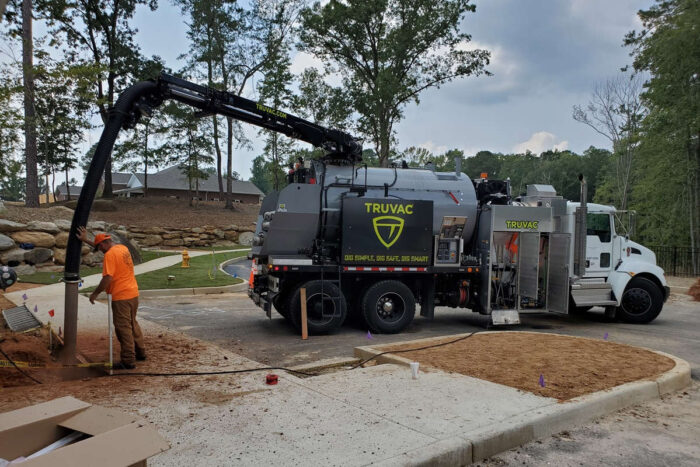
For many contractors and utility crews, fall can be one of the most productive times of the year. Cooler temperatures often make working conditions more comfortable, project schedules remain active and crews push to complete work before winter arrives.
But fall also introduces new challenges. Morning frost, wet conditions, falling leaves and fluctuating temperatures can affect schedules, excavation efficiency, equipment performance and jobsite safety.
The transition from summer to winter doesn’t happen overnight. Taking a proactive approach to equipment operation, maintenance and site preparation can help crews stay productive throughout the season.
Here are six practical tips for successful fall hydro excavation.
1. Plan for Changing Ground Conditions
One of fall’s biggest challenges is unpredictability.
Ground conditions can vary significantly from one day to the next — or even from morning to afternoon. Areas that remain soft and workable during the day may become hardened by overnight frost. Recent rainfall can create muddy conditions, while dry periods can leave soils compacted and difficult to excavate.
Successful crews plan for these variables rather than reacting to them. Reviewing soil conditions, weather forecasts and excavation requirements before arriving on site helps operators make informed decisions about water temperature, pressure settings, safety measures and excavation methods.
Much like safe digging practices during summer construction, preparation remains one of the most effective ways to improve productivity and avoid unnecessary delays.
2. Pay Attention to Water Temperature
As temperatures begin to drop, water temperature becomes increasingly important.
Cold water that performs well during summer months may be less effective when excavating hardened soil or areas affected by early frost. Properly heated water can improve excavation efficiency and help crews maintain production as seasonal conditions change.
The goal isn’t simply to increase temperature as much as possible. Operators should always follow manufacturer recommendations and industry best practices when adjusting water systems and excavation settings.
The result is more consistent excavation performance and less time spent fighting changing ground conditions.
3. Don’t Let Wet Spoils Slow You Down
Fall often means more moisture and more weight.
Leaves, rain and changing soil conditions can create wet, heavy spoils that fill debris tanks faster than crews may expect. What appears to be a routine excavation project can quickly become less productive if operators aren’t accounting for changing material characteristics.
Monitoring tank loads, planning disposal stops and emptying debris bodies before material becomes excessively compacted can help maintain productivity throughout the day.
Just as important, operators should avoid allowing material to remain in tanks longer than necessary as temperatures continue to drop. What is merely wet in October can become a much bigger problem later in the season.
4. Prepare Equipment Before Winter Arrives
The best time to prepare for winter is before winter arrives.
Fall provides an opportunity to inspect water systems, heaters, hoses, fittings and critical components before freezing temperatures become routine. Identifying worn parts, leaks or performance issues now can help prevent downtime later when equipment is up against winter’s worst.
Routine maintenance also plays a significant role in long-term productivity. Regular inspections of hydraulic systems, pumps, filters and vacuum components help crews stay ahead of potential issues before they become costly repairs.
Equipment designed for serviceability can make these inspections easier and help minimize maintenance-related downtime throughout the season.
5. Keep Job Sites Clear and Visible
Fall foliage can create more challenges than many operators realize.
Leaves can conceal rocks, branches, depressions and other hazards that affect equipment movement and excavation activities. Wet leaves can also create slippery working conditions around excavation sites.
Taking a few minutes to clear work areas and maintain visibility around excavation zones can improve both safety and productivity. Crews should pay particular attention to access routes, equipment staging areas and utility markings that may become obscured by debris.
As always, proper PPE and safe work practices remain essential regardless of season. Consistent attention to site conditions helps protect both crews and underground infrastructure.
6. Match Equipment and Technology to the Conditions
Fall conditions often require operators to work smarter, not harder.
Features that simplify operation, improve control and support safe digging practices can help crews maintain productivity as conditions become more challenging. Technologies that assist with water pressure management, for example, can help operators maintain appropriate excavation settings while reducing unnecessary wear on equipment.
TRUVAC’s DigRight technology is one example. Available on TRUVAC models including the Paradigm, FLXX and HXX, DigRight helps operators maintain pressure limits that align with site requirements and industry best practices while reducing wasted energy and unnecessary component wear.
Likewise, selecting the appropriate vacuum excavator configuration for the application helps improve efficiency while reducing strain on equipment. Factors such as soil conditions, excavation depth and climate all influence performance and should be considered when planning a project.
Productivity Through Every Season
Fall may be a transition season, but it doesn’t have to be a slowdown season.
By preparing equipment, adjusting for changing conditions and following proven operating practices, contractors and utility crews can continue excavating safely and efficiently well into colder weather.
With the right planning and the right equipment, fall can be one of the most productive times of the year.
To learn more about TRUVAC vacuum excavators and excavation technologies, visit TRUVAC.com. Tags: Truvac