Dealing with Fall Buildup in Sewers
Tips for More Productive Sewer Maintenance
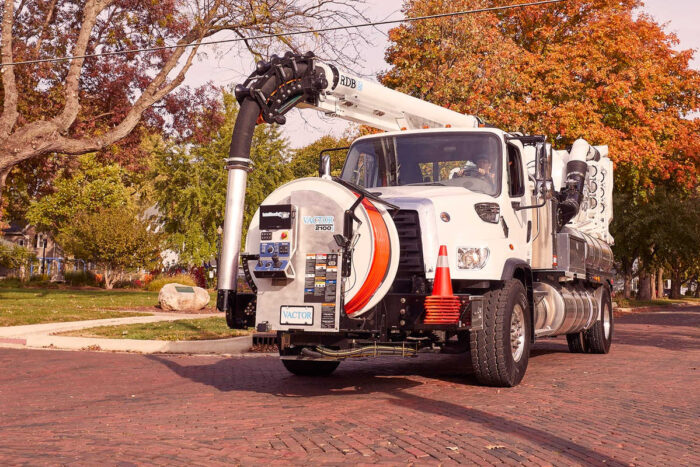
Fall can be one of the most challenging seasons for sewer maintenance crews.
As leaves begin to fall and temperatures fluctuate, sewer systems experience a steady increase in organic debris, sediment and other materials that can restrict flow and reduce system performance. Left unaddressed, these buildups can contribute to backups, localized flooding and costly emergency maintenance.
The good news is that many fall sewer problems are predictable and preventable.
A proactive approach to sewer cleaning can help municipalities and contractors maintain productivity, improve system performance and avoid larger issues as winter approaches.
1. Don’t Focus Only on Leaves
Leaves often get the blame for fall sewer issues, but they are rarely the only culprit.
Organic debris like leaves frequently combines with sediment, litter, construction residue and grease to create larger obstructions throughout the collection system. What begins as a relatively minor accumulation can quickly become a more significant blockage once fall storms arrive.
Effective maintenance programs focus on the entire debris load, not just seasonal leaf accumulation.
2. Target High-Risk Areas First
Not every section of a sewer system experiences the same buildup.
Areas with mature tree canopies, recurring drainage complaints, low-lying intersections and known problem locations often require additional attention during the fall months. Prioritizing these assets allows crews to address the greatest risks before they create service interruptions.
A targeted maintenance approach also helps maximize labor, equipment and budget resources.
3. Use Inspection Technology to Improve Efficiency
Productive sewer cleaning starts with understanding what is actually happening underground.
Camera inspection systems can help operators identify root intrusion, sediment accumulation, structural defects and developing blockages before cleaning begins. Rather than treating every line the same, crews can focus resources where they will have the greatest impact.
Tools such as Vactor’s H.A.L.O.® (Hands-free Accessory Light Option) help improve visibility inside sewer systems, allowing operators to diagnose issues more efficiently and develop more effective cleaning strategies.
4. Match Water Flow and Pressure to Conditions
One of the most common mistakes in sewer cleaning is assuming more pressure automatically delivers better results.
Pipe size, pipe condition, debris type and nozzle selection all influence cleaning effectiveness. Excessive pressure can waste water and increase equipment wear, while insufficient flow may require multiple cleaning passes.
Modern water management technologies help operators match flow and pressure to the conditions they encounter. Systems such as Vactor’s MultiFlow® technology allow crews to adjust water delivery based on the application, helping improve cleaning efficiency while reducing wasted energy and unnecessary component wear.
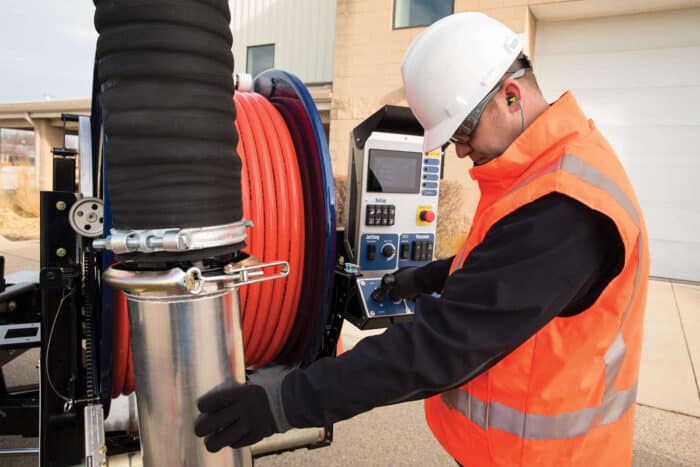
5. Maximize Productivity Between Disposal Stops
Fall debris can quickly fill a truck.
Organic material often retains moisture, increasing overall weight and reducing effective debris capacity. The more frequently crews must stop to unload, the less time they spend cleaning.
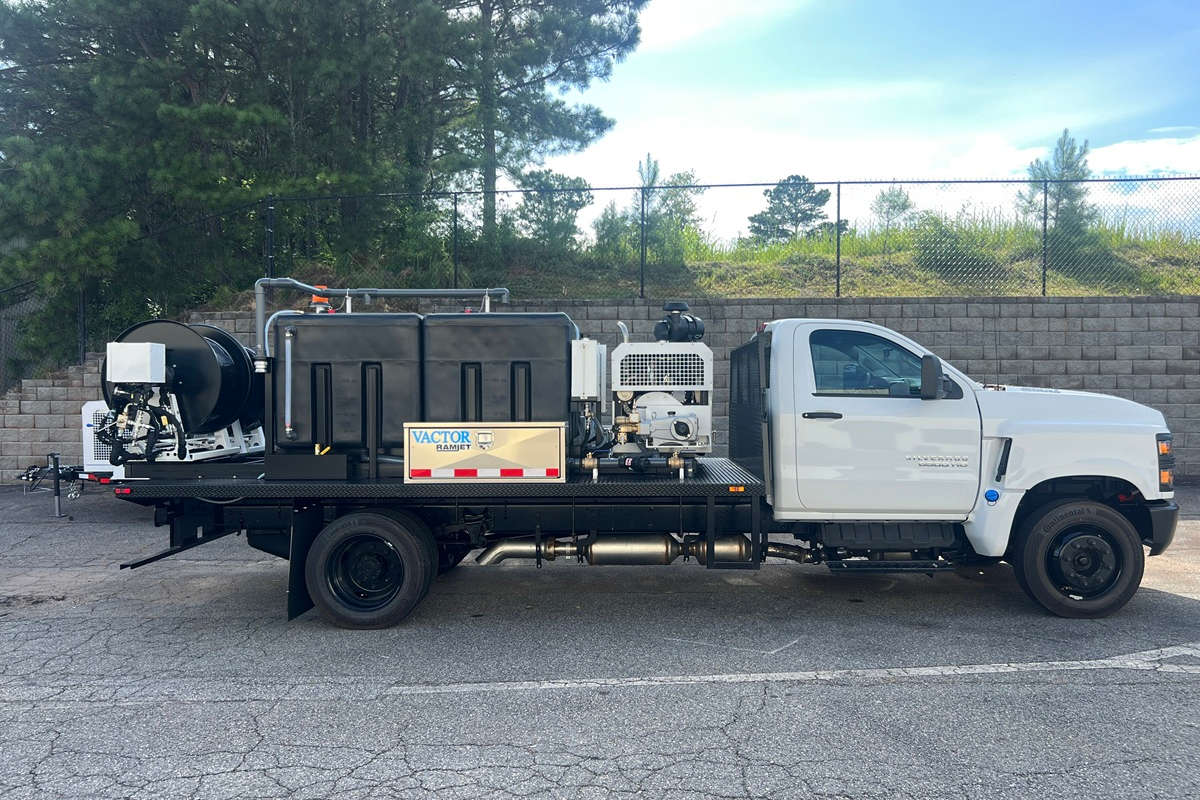
Selecting equipment with the appropriate water and debris capacity for the application can significantly improve daily productivity. For example. the water recycling system on the Vactor 2100i reduces downtime spent refilling tanks with water by saving fresh or potable water. The recycling system uses a five-stage filtration system that eliminates abrasive particles larger than 100 microns and then feeds that recycled, filtrated water to the jetting systems.
6. Prepare Equipment for the Months Ahead
The most productive fall maintenance programs rely on reliable equipment.
Fall is an ideal time to inspect pumps, hoses, nozzles, vacuum systems and water components before winter weather arrives. Preventive maintenance can help reduce downtime, improve equipment life and ensure crews remain productive when conditions become more demanding.
Addressing small issues during scheduled maintenance is almost always less disruptive—and less expensive—than making emergency repairs during winter operations.
Productivity Starts with Prevention
Fall buildup is inevitable. Emergency maintenance doesn’t have to be.
By focusing on high-risk areas, leveraging inspection technology, optimizing cleaning performance and maintaining equipment proactively, municipalities and contractors can keep sewer systems operating efficiently throughout the season.
The result is improved productivity today, fewer emergency calls tomorrow and a smoother transition into winter maintenance operations.
For more information about sewer cleaning equipment, inspection technologies and support solutions, visit Vactor.com. Tags: Vactor