Late Summer Construction Cleaning Tips: Keeping Projects Safe, Productive and On Schedule

As summer construction season enters its final stretch, many industrial plants face a familiar challenge: keeping jobsites clean while maintaining productivity. Between accumulated debris, dust, material waste and increased activity from multiple projects working simultaneously, late summer can create conditions that slow production and increase safety risks.
Construction cleaning is about more than appearances. Effective cleanup improves efficiency, reduces hazards, protects equipment and helps projects stay on schedule as crews work toward completion deadlines.
The Guzzler team has identified several practical strategies contractors can use to improve late-summer construction cleanup operations.
1. Don’t Wait Until It’s Too Late
One of the most common mistakes on construction sites is treating cleanup as a final phase rather than an ongoing process.
As debris accumulates, it creates obstacles for workers, equipment and material movement. Dust and loose materials can also increase wear on machinery and create unnecessary safety concerns.
Instead, establish regular cleanup intervals throughout the year. Daily or weekly cleanup activities often require less labor and equipment than large-scale cleanup efforts at the end of a project.
Consistent housekeeping also allows crews to identify potential issues earlier, helping prevent minor problems from becoming major delays.
2. Prioritize Dust Control
Excessive dust can impact worker visibility, equipment performance and air quality. It can also create challenges for nearby residents, businesses and project stakeholders.
Regular removal of fine materials before they become airborne helps maintain a safer and more productive work environment. Dust control measures should be incorporated into cleanup planning rather than treated as a separate activity.
3. Remove Material Before It Becomes a Problem
Construction sites generate a wide variety of waste materials, including concrete dust, soil, aggregate, slurry, scrap materials and general debris.
Allowing these materials to accumulate can restrict access, create trip hazards and slow equipment movement. Cleanup becomes more difficult — and more expensive — the longer materials remain on site.
Frequent removal of accumulated debris helps maintain efficient workflows and reduces the likelihood of costly cleanup efforts later in the project.
4. Coordinate Cleanup with Other Trades
As projects move toward completion, multiple contractors are often working in the same areas simultaneously.
Without coordination, cleanup activities can interfere with ongoing work or create unnecessary delays.
Scheduling cleanup during planned downtime, shift transitions or low-activity periods can help maintain productivity while ensuring work areas remain clear and accessible.
Communication between project managers, subcontractors and cleanup crews is often one of the simplest ways to improve overall site efficiency.
5. Use the Right Equipment for the Material
Not all construction debris is the same, and neither are the equipment requirements needed to remove it.
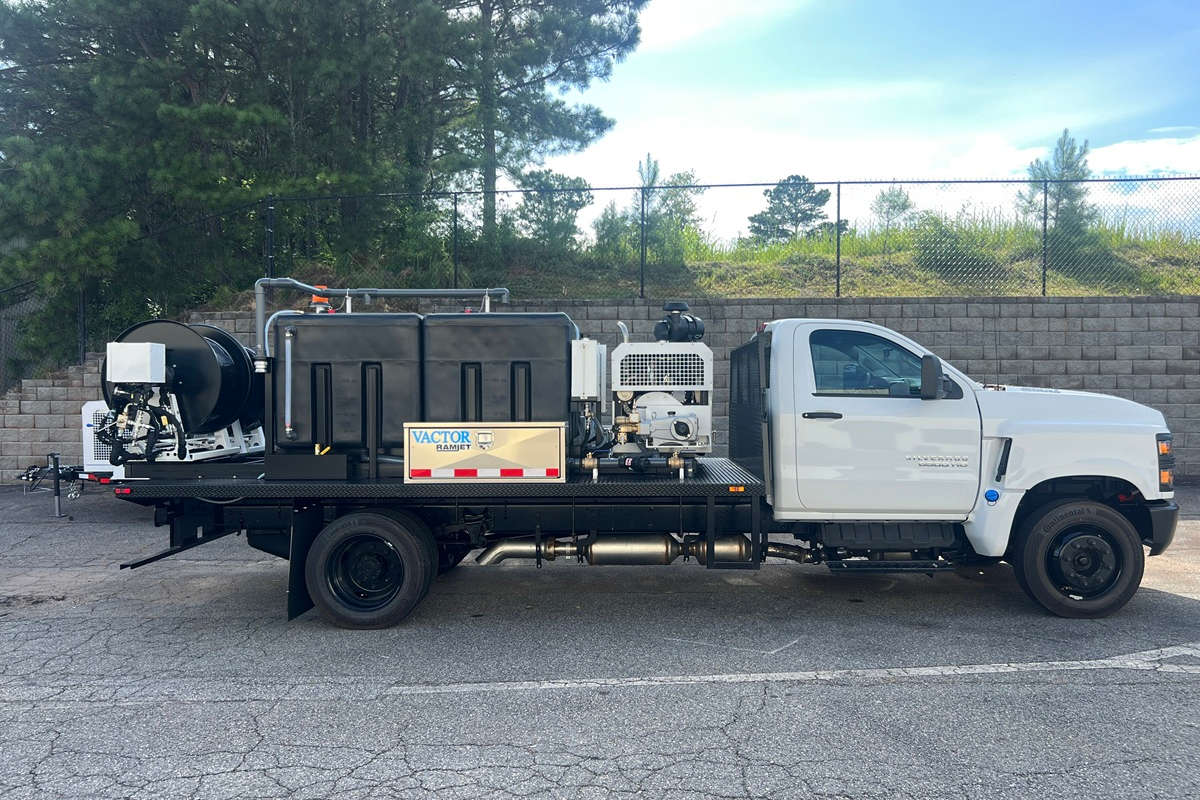
Fine dust, dry bulk materials, wet slurry, sludge and heavy debris each place different demands on cleanup equipment. Selecting equipment designed for the specific material can significantly improve productivity while reducing labor requirements. As the Guzzler team notes, productive cleanup starts with matching the vacuum system to the material being handled and the conditions of the jobsite. Different applications may require specialized solutions for dry materials, wet materials, rail work, industrial cleanup or other unique challenges.
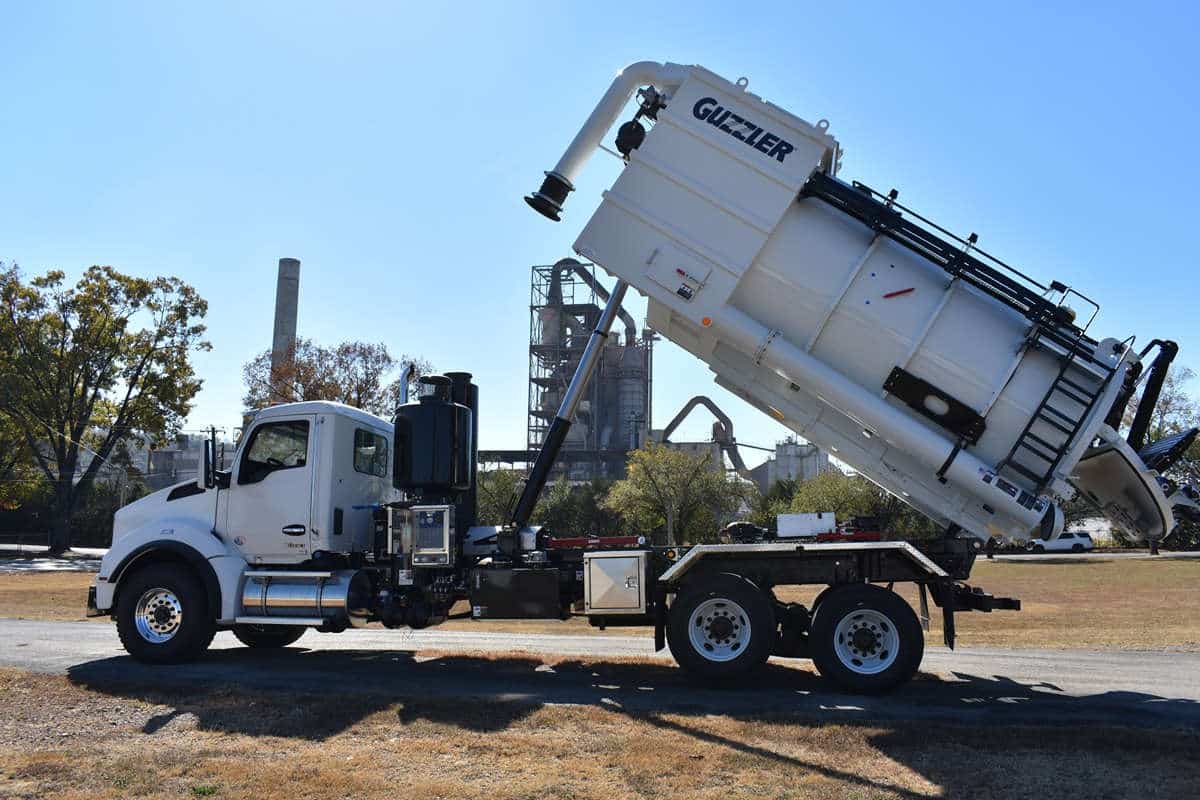
Industrial vacuum systems such as the Guzzler Classic with its variety of offloading options can help crews remove large volumes of material quickly while reducing manual handling, improving safety and maintaining cleaner work areas. In many cases, the right vacuum equipment allows contractors to complete cleanup tasks with fewer interruptions and less labor than traditional methods.
6. Prepare for Project Closeout Early
As construction projects near completion, cleanup requirements typically become more detailed and time sensitive.
Waiting until the final days of a project to address accumulated debris can create unnecessary pressure and potentially delay project turnover.
Developing a closeout cleanup plan several weeks in advance helps ensure resources, equipment and personnel are available when needed.
Early planning also provides flexibility to address unexpected cleanup needs without affecting project schedules.
A Cleaner Site Is a More Productive Site
Late-summer construction projects leave little room for delays. By maintaining consistent cleanup practices, controlling dust, coordinating activities and using equipment designed for the materials being handled, contractors can improve safety, protect productivity and keep projects moving forward.
Cleanup may not be the most visible part of a construction project, but it often plays a significant role in determining how efficiently that project reaches the finish line.
For more information about industrial vacuum solutions for construction, industrial and infrastructure applications, visit Guzzler.com. Tags: Guzzler