Stopping Fatbergs: What Municipalities Should Consider
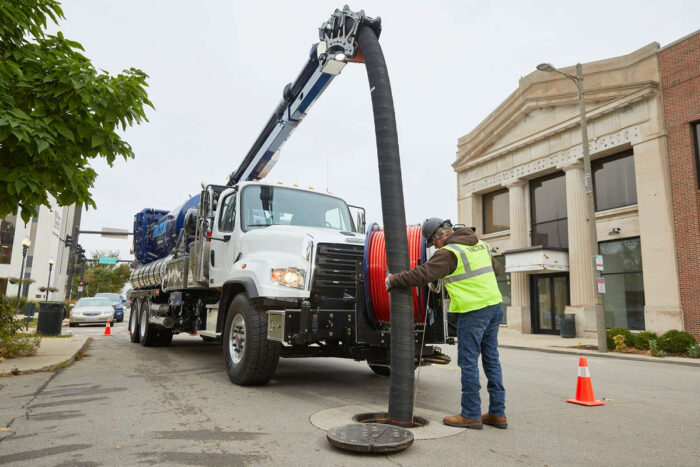
Formed from fats, oils and grease (FOG) that combine with wipes, hygiene products and other non-flushable materials, fatbergs can grow into massive obstructions that restrict flow, damage infrastructure and increase the risk of sanitary sewer overflows. Once established, they are notoriously difficult and expensive to remove.
While the most extreme fatberg stories often make headlines, public works professionals know the issue is far from isolated. Communities of all sizes face the challenge of keeping sewer systems free of blockages caused by improper disposal practices and aging infrastructure.
The good news? Municipalities can significantly reduce fatberg formation through a proactive, multilayered approach. Here are several key considerations from the Vactor team.
1. Prioritize Prevention Over Emergency Response
Many utilities still encounter fatbergs only after flow restrictions, backups or customer complaints occur. By then, removal is often more complicated, disruptive and costly.
A more effective strategy is to identify high-risk areas before problems develop. Sewer segments near restaurant districts, food processing facilities, multifamily housing developments and older collection systems often experience elevated FOG accumulation and deserve additional attention.
Preventative maintenance programs may not generate the same urgency as emergency response, but they are almost always more cost-effective in the long run.
2. Know Your System’s Hot Spots
Not every sewer line presents the same risk.
Municipalities should use historical maintenance records, overflow reports, CCTV inspections and crew observations to identify recurring problem areas. Low-flow sections, flat grades, undersized pipes and locations with known grease issues often become prime environments for fatberg development.
Understanding where blockages are most likely to occur allows utilities to allocate maintenance resources more efficiently and establish cleaning schedules based on actual risk rather than fixed intervals.
3. Don’t Underestimate the Impact of “Flushable” Products
One of the biggest contributors to modern fatberg formation is the continued use of so-called “flushable” wipes.
Unlike toilet paper, many wipes do not readily break down in wastewater systems. Instead, they remain intact, snag on pipe irregularities and provide a framework for grease and debris accumulation. Over time, these materials can combine into dense, concrete-like masses that severely restrict flow.
Public education efforts that focus specifically on wipes, personal hygiene products and grease disposal can have a measurable impact on reducing sewer blockages.
4. Strengthen FOG Management Programs
Many municipalities already have grease control ordinances, but enforcement and education are equally important.
Restaurants and commercial food establishments should be encouraged — and when necessary required — to properly maintain grease interceptors and traps. Regular inspections help ensure these devices are functioning as intended and keeping fats, oils and grease out of the collection system.
Municipalities may also benefit from targeted outreach programs that educate businesses on the financial and operational consequences of poor grease management.
5. Invest in Public Awareness
Infrastructure maintenance alone cannot solve the fatberg problem.
Residents play a critical role in what ultimately enters the sewer system. Successful municipalities often pair maintenance programs with ongoing public awareness campaigns that explain what should and should not be flushed or poured down drains.
Simple messaging such as “Only the Three Ps — Pee, Poop and Paper” can help reinforce proper disposal habits. The more residents understand the connection between daily actions and sewer system performance, the more effective prevention efforts become.
6. Maintain the Right Equipment and Cleaning Schedule
Even with strong prevention efforts, some accumulation is inevitable.
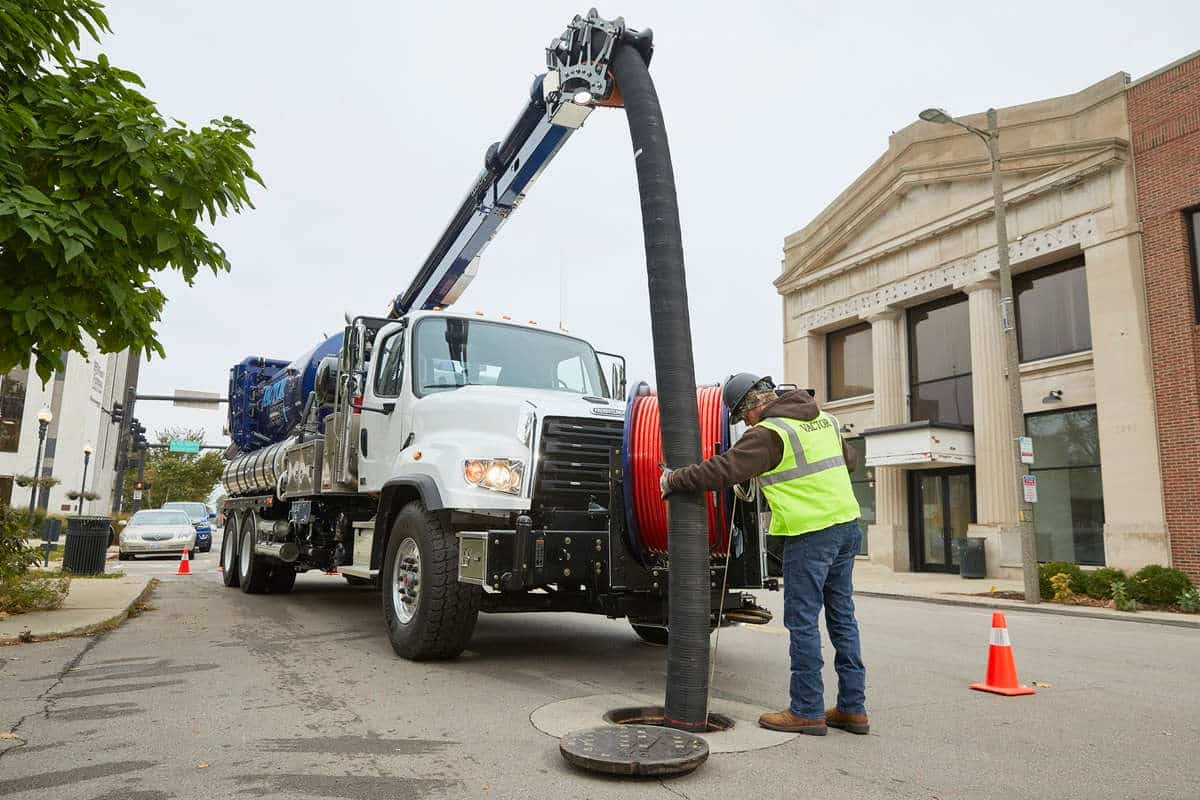
Routine sewer cleaning remains one of the most effective tools for preventing fatbergs from reaching problematic sizes. High-pressure water jetting can break apart grease accumulations before they become major obstructions, while vacuum excavation and debris removal help restore full system capacity.
For many public works departments, combination sewer cleaners serve as the backbone of preventative maintenance programs, allowing crews to clean, inspect and maintain critical infrastructure before emergencies occur.
The key is consistency. Regular cleaning schedules often prevent conditions that allow fatbergs to establish themselves in the first place.
Looking Ahead
As wastewater systems face increasing demands from population growth, changing consumer habits and aging infrastructure, fatberg prevention will remain an important priority for municipalities.
The most successful programs recognize that there is no single solution. Effective fatberg management requires a combination of public education, FOG control, proactive inspections and regular maintenance.
When municipalities take a comprehensive approach, they not only reduce emergency repairs and sewer overflows, but also extend the life of critical infrastructure and improve service reliability for the communities they serve.
In the fight against fatbergs, prevention remains the most powerful tool of all.
For more information on Vactor combination sewer cleaners, visit Vactor.com. Tags: Vactor