Digging Smarter and Going Deeper: How Technology Is Advancing Safety in Underground Construction
By Cory Maker and Chris Thompson
Each April, National Safe Digging Month serves as a timely reminder of a simple, but serious truth in underground construction: the most significant risks are often the ones contractors cannot see.
While the industry continues to emphasize the importance of contacting 811 before breaking ground, safety today extends far beyond a single phone call. Advances in technology, equipment and data-driven insights are reshaping how contractors approach underground work, helping to reduce uncertainty and improve decision-making across the jobsite.
At the same time, experienced underground construction professionals know that even the best technology works hand‑in‑hand with disciplined planning, clear communication, and ongoing training. Safe digging is a process, not a single step.
A More Informed Approach to Locating
The first rule of excavation remains unchanged. Contractors must understand and follow state-specific 811 requirements before any digging begins. Yet modern locating practices have evolved into a more comprehensive and proactive effort.
White lining, the practice of marking an intended bore path before utilities are located, has become a standard step in improving accuracy and coordination. From there, contractors increasingly rely on advanced locating technologies to validate marked utilities and identify what may have been missed.
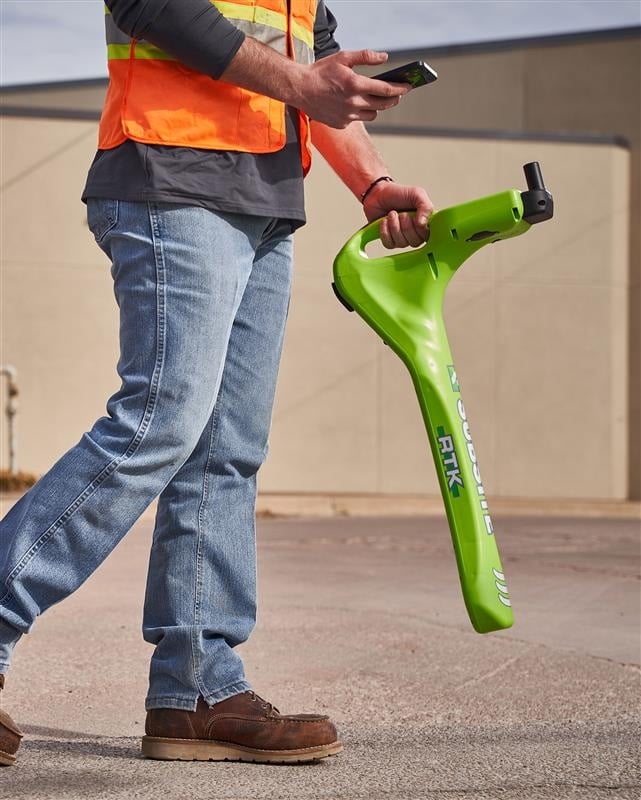
OEMs such as Subsite are designing advanced multi-frequency locating systems that allow crews to trace utilities across a wide range of signals, delivering both position and depth data with a high degree of confidence. For non-metallic infrastructure, including plastic water lines, complementary technologies such as beacons and ground-penetrating radar can help identify assets that traditional methods may miss.
At the same time, industry leaders stress that the absence of surface markings should not be interpreted as the absence of underground utilities. Instead, it should trigger additional verification. Maintaining locating equipment on-site and validating results has become a widely accepted best practice, particularly as underground environments grow more congested and complex.
Once utilities have been marked, the next step is to verify their position through soft excavation, often called potholing or daylighting. Exposing utilities before digging provides visual confirmation, one of the most trusted safeguards against accidental damage.
Equipment Designed With Safety in Mind
Modern underground construction equipment reflects a growing focus on precision and damage prevention, not just productivity.
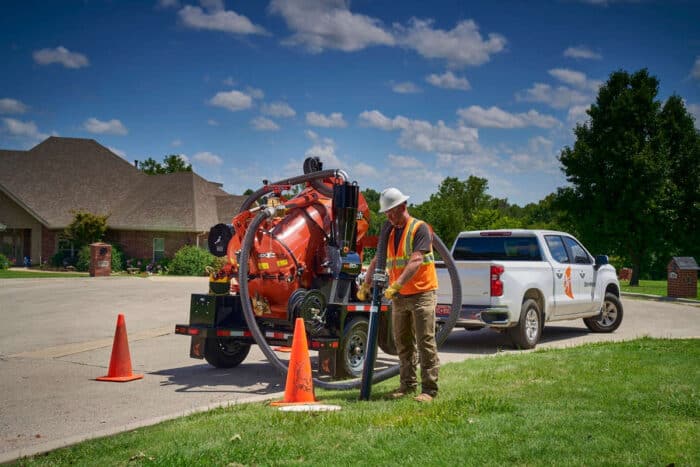
Vacuum excavation has become central to that effort. Using air or water to safely remove soil, these systems allow crews to expose underground utilities through soft digging techniques that significantly reduce the risk of strikes. As underground infrastructure becomes more congested, this level of control is no longer a luxury. It is a necessity.
Best practices now position vacuum excavation as a critical complement to utility locating. While locating identifies where utilities are expected to be, daylighting provides visual confirmation of their exact position and depth. Working together, these methods help crews verify conditions before excavation begins, reducing uncertainty and improving decision-making in the field.
Contractors are also adopting more consistent operating procedures, including maintaining proper distance from exposed utilities, controlling pressure levels, and using standardized excavation techniques. These steps help protect both the asset and the crew while ensuring accurate, reliable results.
The Role of Telematics and Connected Equipment
One of the most significant developments in underground construction is the rapid adoption of telematics and connected equipment, shifting operations from reactive to data-driven.
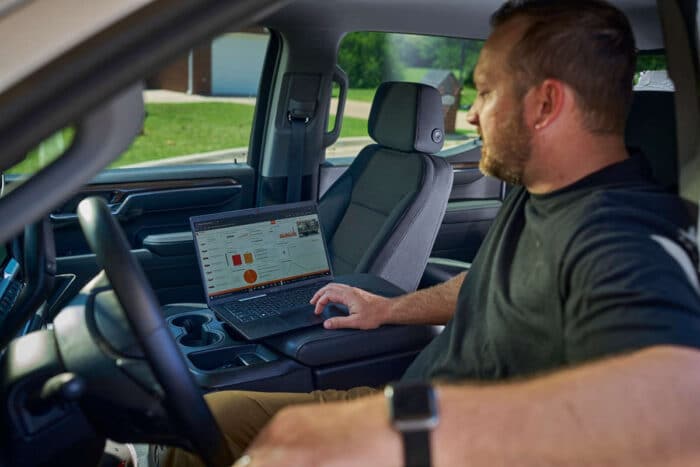
Platforms such as Ditch Witch’s Orange Intel system provide real-time visibility into machine location, performance, utilization and maintenance status. That visibility goes beyond tracking, giving contractors a clearer understanding of how equipment is being used and where potential risks may be developing across jobsites.
From a safety and damage prevention standpoint, this insight is critical. Monitoring service intervals helps prevent unexpected equipment failures that could create hazardous conditions, while usage data can reveal patterns such as improper operation or excessive wear. Left unaddressed, these issues can increase the likelihood of incidents, including utility strikes.
Telematics also enables better decision-making before and during a job. Historical performance data can help contractors match equipment to ground conditions, improve planning and optimize workflows. Across fleets, centralized data supports more consistent maintenance practices, stronger operator accountability and targeted training.
As underground infrastructure expands, telematics is becoming more than a fleet management tool. It is a source of actionable insight that helps contractors make smarter business decisions while strengthening safety and damage mitigation across every jobsite.
Balancing Technology and Training
Well-trained crews, clear communication and a disciplined approach to established procedures form the foundation of a safe jobsite. Technology supports these strengths by giving operators better information, more visibility and more consistent tools. Together, they create a work environment where knowledge and innovation reinforce each other.
Even with advanced equipment, good judgment in the field remains essential. When conditions change or uncertainty arises, it is the operator’s experience and decision-making that guide safe and effective responses.
Training continues to be a critical investment. Leading manufacturers such as Ditch Witch and Subsite help contractors build that foundation through hands-on instruction, online learning and dealer-led programs that cover utility locating, equipment operation and damage prevention best practices. These programs show how technology and training complement each other, ensuring crews not only understand the latest tools, but also how to apply them with precision and confidence.
The most effective approach to safety comes from the balance of skilled contractors and advanced technology. Working together, they help contractors anticipate challenges, adapt to changing conditions and maintain control over complex projects where the margin for error continues to narrow.
Safety Beyond the Surface
National Safe Digging Month serves as an important annual reminder, but the responsibility extends far beyond April. Protecting crews, infrastructure and surrounding communities requires a consistent commitment to planning, verification, training and the use of modern tools on every jobsite.
As underground environments become more complex, contractors must rely on both experience and information to manage risk effectively. Technology helps close visibility gaps, but it is the combination of preparation and informed decision-making that ultimately drives safer outcomes.
In an industry defined by what lies beneath the surface, a more connected and disciplined approach to digging is no longer optional. It is essential.
Cory Maker is senior product manager and Chris Thompson is vacuum excavation product manager for Ditch Witch. Tags: Ditch Witch